



Voile Switchback Cable: A Free-Pivot XCD Binding for Leather Boots
A free-pivot XCD binding built around leather 75mm boots, scale-based skis, and fast transitions in backcountry terrain.
Share this Post
The Voile Switchback Cable was built to solve a specific problem.
We’ve been getting a lot of questions about using the regular Voile Switchback binding with leather 75mm boots. While the idea made sense in theory, the fit and performance were far from ideal. The standard Switchback uses a rigid hardwire heel assembly, which is suited to plastic telemark boots; not leather XCD boots.
So we combined two proven designs: the Switchback toe and the 3-Pin Cable assembly.
The result is the Voile Switchback Cable: a free-pivot XCD binding designed specifically for leather 75mm boots.
What Is the Switchback Cable?
The Switchback Cable uses the regular Voile Switchback toe, then swaps in the cable assembly from the Voile 3-Pin Cable.
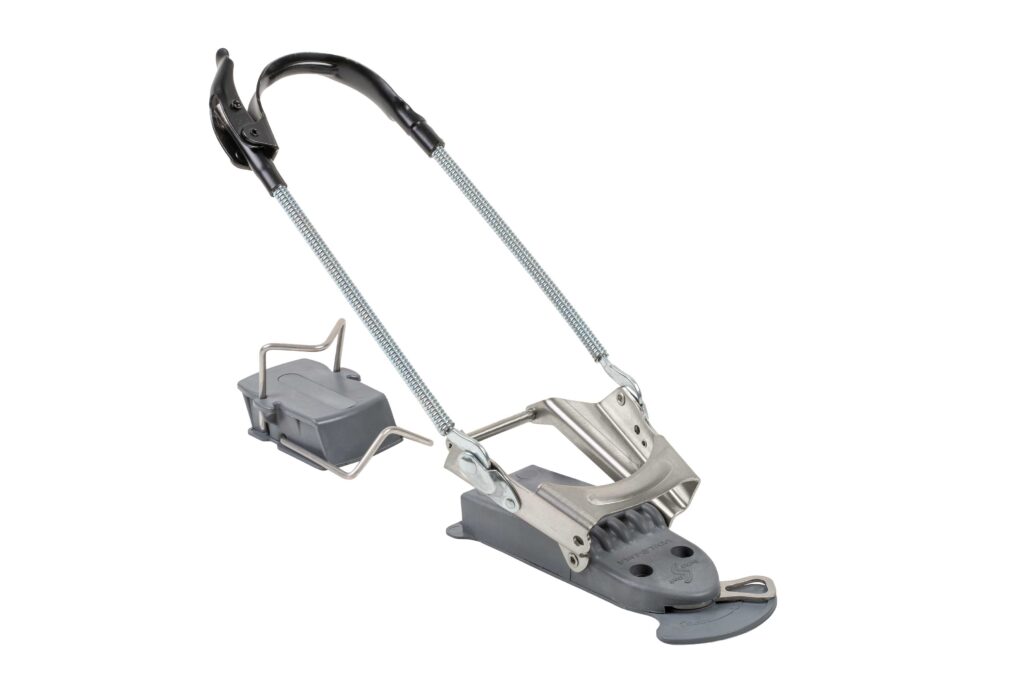
That combination gives skiers a free-pivot touring mode with a leather-boot-friendly cable setup. With one flick of the switch, you can move from downhill mode to uphill mode. Flick it back, and you are ready to ski again.
For XCD skiing, those rapid transitions are the primary advantage.
Transitions happen often on rolling terrain. With scale-base skis like the Voile Endeavor BC, you can climb, glide, descend, and climb again without stopping for skins. The Switchback Cable makes that process quicker and simpler.
The Benefits of Free-Pivot
A free-pivot binding makes uphill travel more efficient because the boot can move through the stride with less resistance.
Activating ski-mode or tour-mode is as simple as the flick of a switch:
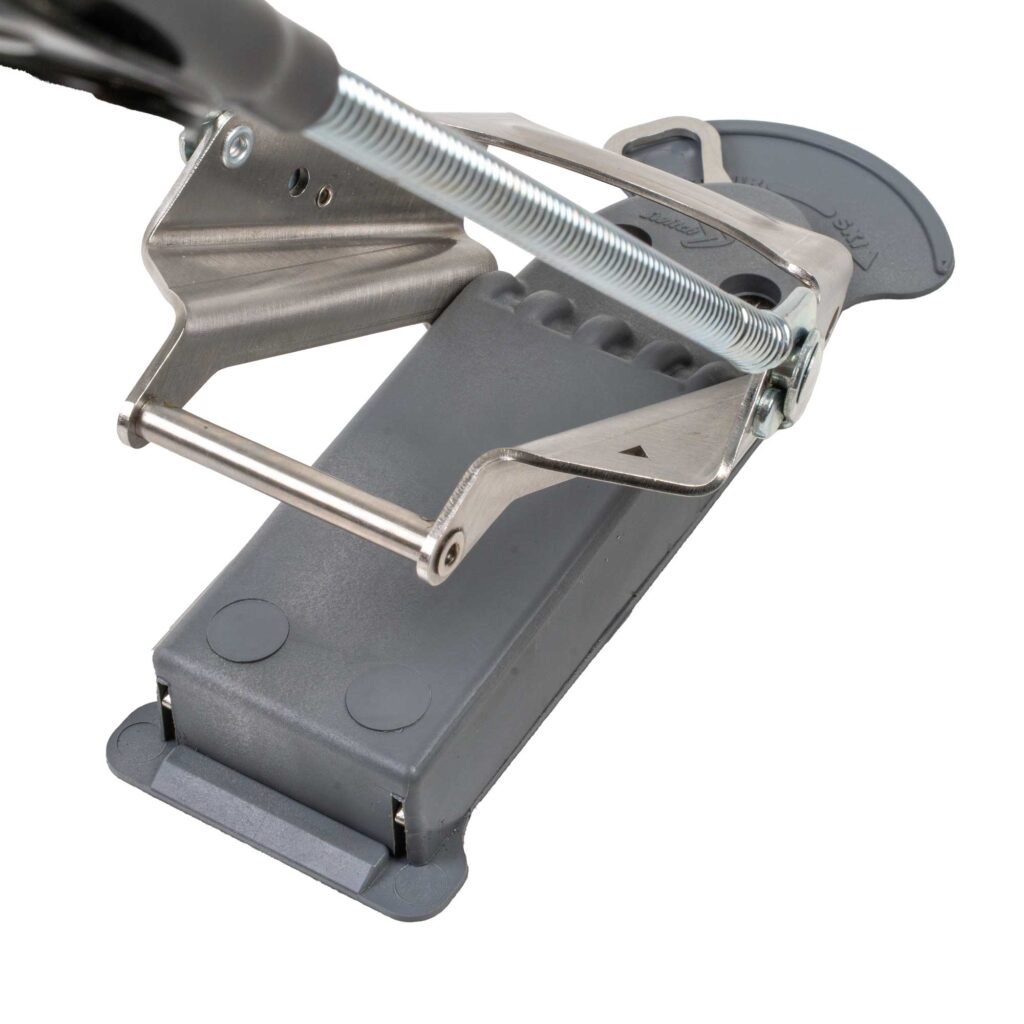
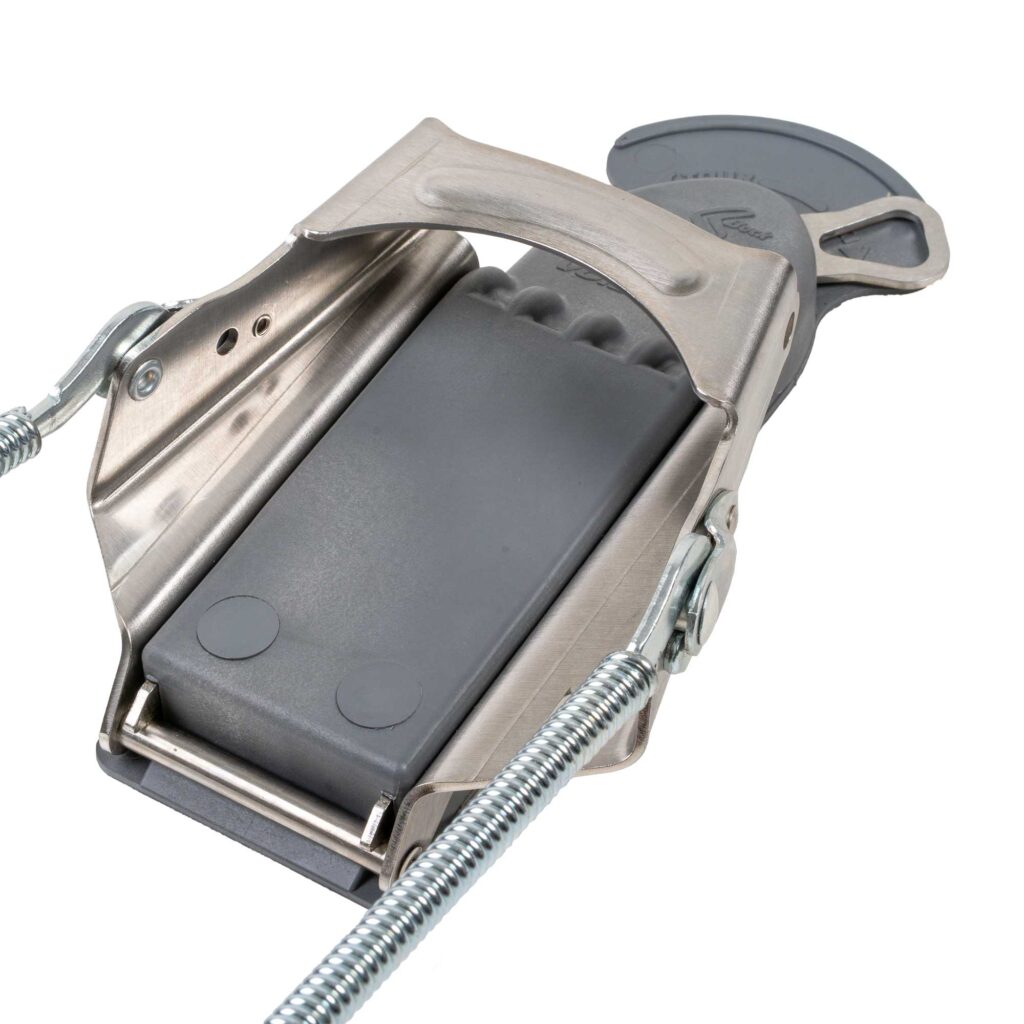
Compared to a traditional 3-pin setup, where the duckbill remains clamped under the bail, the Switchback Cable provides a cleaner touring motion in uphill mode. There is no need to remove the cable or stow it around the heel. You can switch modes with a pole and keep moving.
That makes the Switchback Cable especially useful as an XCD binding for skiers trying to maximize efficiency on scale-based skis.
Tradeoffs vs. the Voile 3-Pin Cable
The Switchback Cable is not meant to replace the 3-Pin Cable. Each has its pros and cons.
The biggest advantage is uphill efficiency. The main tradeoff is weight. The Switchback Cable is roughly 200 grams heavier per binding than the regular 3-Pin Cable.
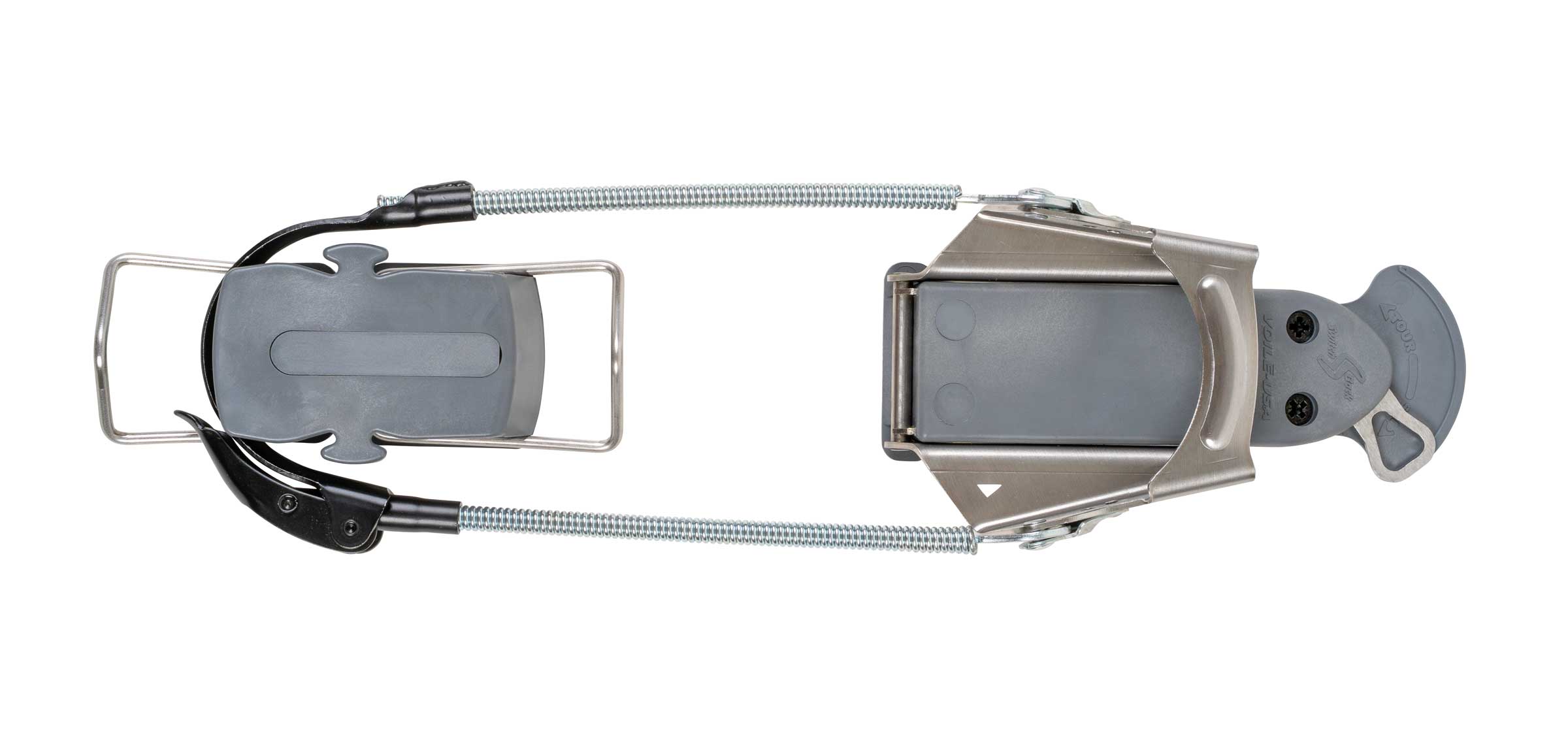
The downhill feel is also different. The Switchback has a more forward hinge point, which creates a slightly more neutral feel. The same is true of the new Switchback Cable. The 3-Pin Cable, on the other hand, has a pivot point that sits farther back, giving it a more active feel and more fore-body pressure on the trailing ski in a telemark turn.
| Binding | Best For | Main Benefit | Tradeoff |
|---|---|---|---|
| Voile Switchback Cable | Leather-boot XCD skiers who want free-pivot touring | Faster transitions and efficient uphill travel | Heavier and more neutral downhill feel |
| Voile 3-Pin Cable | Skiers who want a lighter, traditional 75mm setup | Lower weight and more active cable feel | Less efficient touring stride |
Boot Compatibility
We designed the Switchback Cable for leather 75mm boots.
The strongest match is the Crispi Svartisen 75. Some Alico leather boots may also be compatible. The binding’s crossbar height is better suited to these boots than to thinner-duckbill options.
NOT for use with Alpina Alaska or Plastic Telemark Boots
The Alpina Alaska 75 is not the recommended match because its thinner duckbill creates too much slop in the binding.
Do not use plastic telemark boots, such as the Scarpa T4, with the Switchback Cable. The binding is not designed for that level of boot stiffness, and a plastic boot would likely stretch the springs.
Who Is the Switchback Cable For?
The Switchback Cable is for XCD skiers using compatible leather 75mm boots who want quicker transitions and a more efficient uphill stride.
It makes the most sense if you:
- Ski leather 75mm boots like the Crispi Svartisen 75
- Use scale-based skis such as the Voile Endeavor BC
- Travel through rolling terrain with frequent uphill/downhill changes
- Want free-pivot touring without giving up a cable for the descent
If you prioritize lower weight or a more active downhill cable feel, the Voile 3-Pin Cable may still be the better fit.
A Specific Tool for a Specific Setup
The Switchback Cable is not a universal 75mm binding. It is a purpose-built option for leather-boot skiers who want the efficiency of a free pivot and the familiarity of a cable binding.
For the right boot, ski, and terrain, that simple pole-flick transition is the whole point.
The Voile Switchback Cable will be available beginning fall 2026 through Voile.com and Voile dealers.