




Voile TTS Transit: A Tech Toe Telemark Binding Built for Versatility
Share this Post
Telemark gear has evolved rapidly in recent years, especially for skiers who want the touring efficiency of alpine touring gear without giving up binding power or the freedom of a free heel. One binding that captures this shift is the Voile TTS Transit.
In this overview, Voile production manager Mark Christopherson walks through the core features that make the TTS Transit stand out: a tech toe touring platform, a removable heel assembly, adjustable activity settings, and multiple cartridge options. Together, these features create a powerful telemark setup that works well both in the backcountry and lift-serviced resort skiing inbounds.
Explore the full specs of the Voile TTS Transit binding:
Voile TTS Transit
This video breaks down the design and functionality of the Voile TTS Transit, including how the removable heel assembly and adjustable activity settings work in real-world touring scenarios.
The Efficiency of a TTS Binding
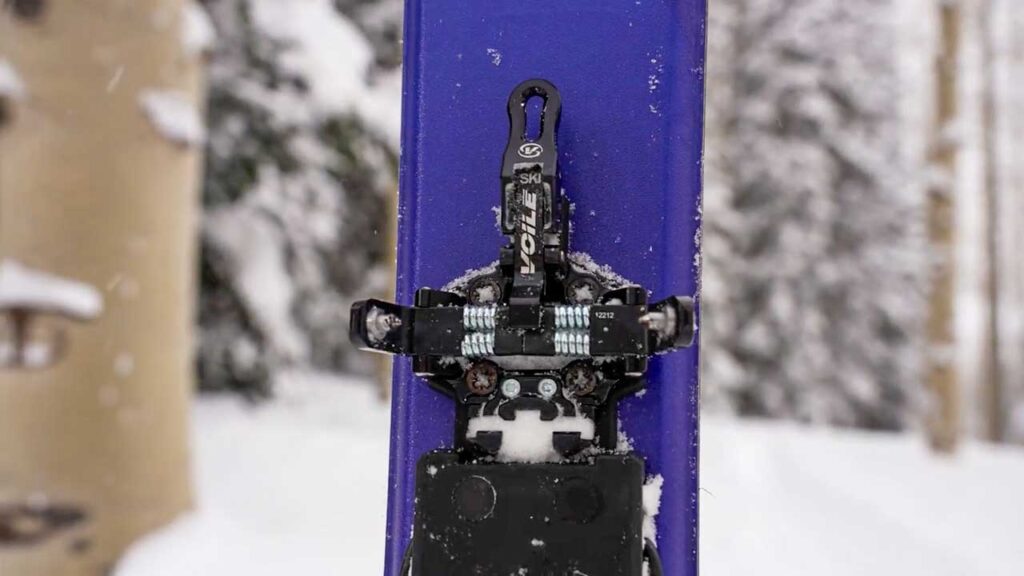
At its core, the TTS Transit is a tech toe boot interface. The toe piece uses a pin interface similar to alpine touring bindings, giving the skier a free pivot for efficient uphill travel.
When touring uphill, the tech toe allows your boot to pivot naturally at the toe. This reduces resistance while skinning and helps conserve energy during long approaches.
Like most tech toe systems, the toe can also be locked when needed. Once it is time to ski downhill, the binding transitions into ski mode and the telemark system engages.
For backcountry skiers covering long distances, this tech toe design offers a major advantage. It provides the touring efficiency of an alpine touring binding combined with the downhill feel of telemark.
View all telemark bindings:
Telemark Bindings
Removable Heel Assembly for Long Approaches
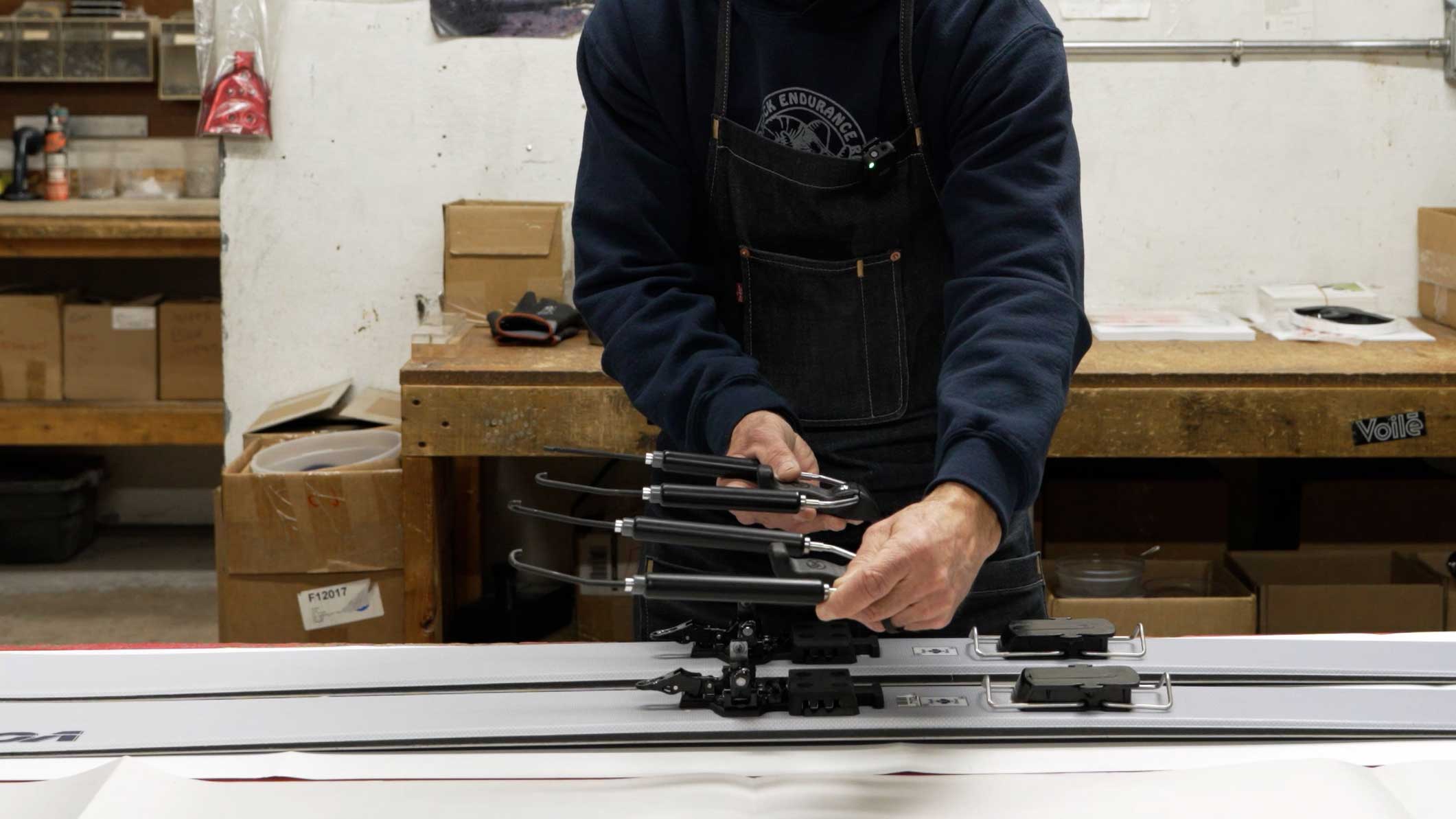
One of the most unique features of the TTS Transit is its removable heel assembly.
On long, flat approaches, some skiers prefer to reduce weight on their skis and simplify the touring setup. The Transit allows you to remove the heel assembly entirely and store it in your pack.
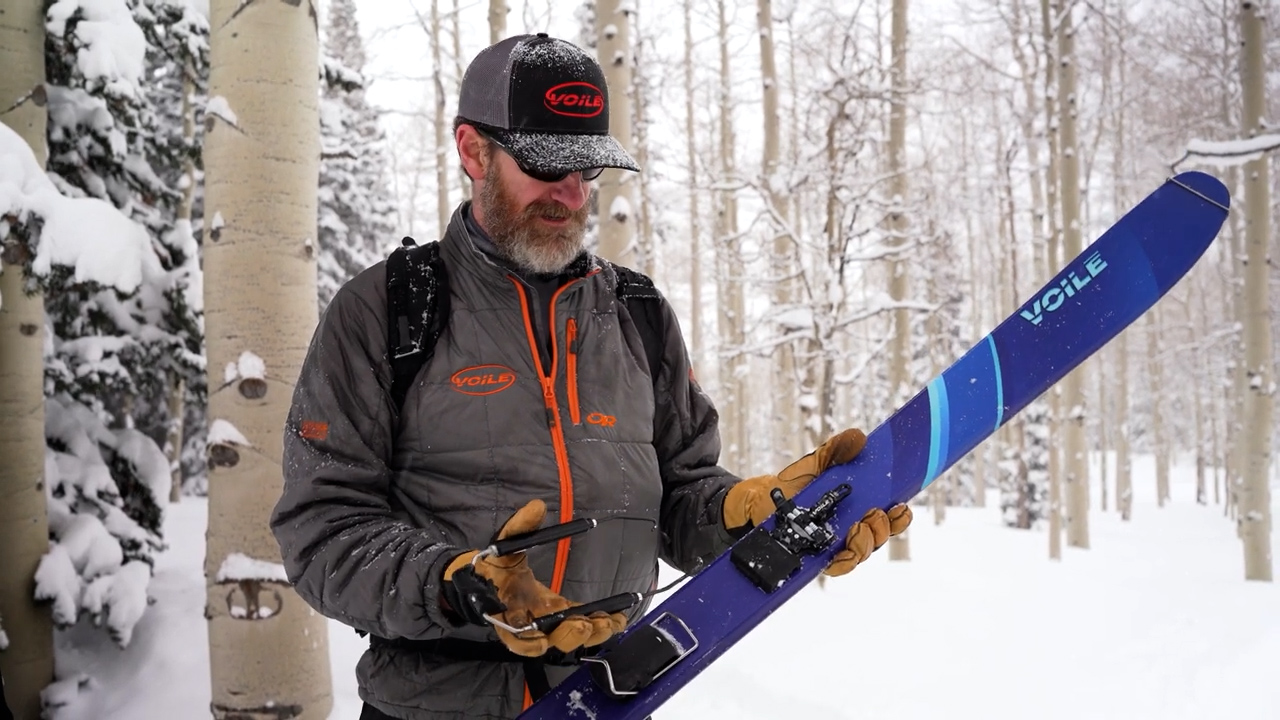
This lets you travel using only the tech toe for the approach. Once you reach the top of the climb, the heel assembly can be reattached for the descent.
The design also allows skiers to choose the opposite approach. If faster transitions are more important than removing weight, the heel assembly can stay on the ski during the climb. It can simply be locked underneath the lip on the heel pad until it is needed.
This flexibility means skiers can tailor their setup depending on the terrain, the length of the approach, and personal touring preferences.
Adjustable Activity Positions
Another defining feature of the TTS Transit is its adjustable activity settings.
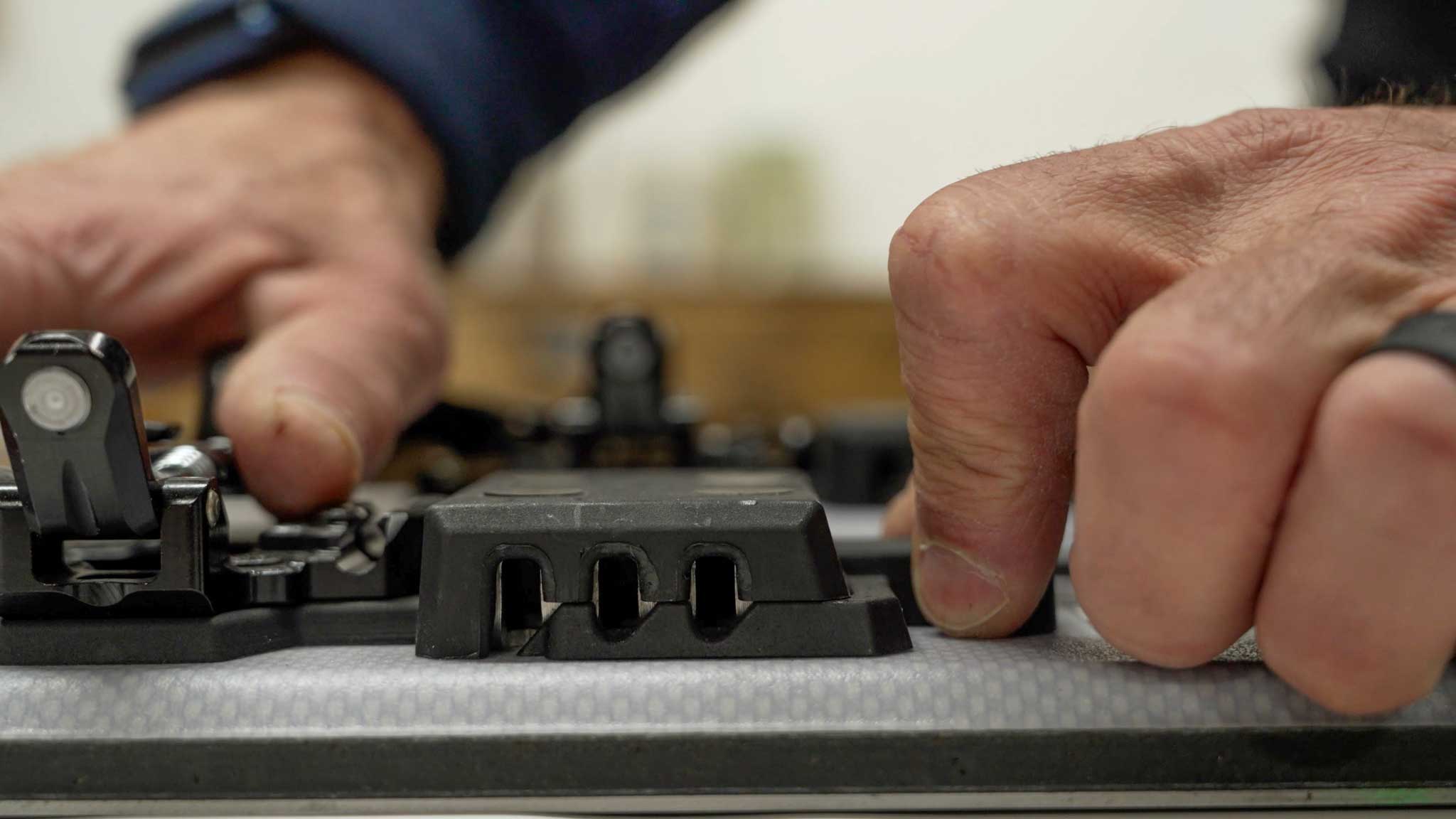
The heel assembly can be placed in three different positions, allowing skiers to tune how active or neutral the binding feels. These positions control the amount of heel tension you feel when lifting your heel during a telemark turn.
This adjustment allows skiers to fine tune the binding based on several factors:
- Skiing style
- Terrain
- Boot stiffness
- Personal preference
This range of adjustment is part of what makes the TTS Transit a versatile telemark binding for both backcountry touring and lift-served skiing.
Neutral Setting
The forward position is the most neutral. In this configuration, lifting your heel produces less spring tension. The result is a smoother, more relaxed feel that allows for deeper telemark turns and a more natural stride if you need to skate between downward pitches.
Middle Setting
The middle position provides a balanced feel between neutral and active. It adds a bit more spring tension while still maintaining a smooth, predictable flex.
For many skiers, this setting offers a versatile sweet spot that works well across a wide range of terrain and snow conditions.
Active Setting
Moving the heel assembly to the rear position increases spring tension in the system. This creates a more active feel that delivers stronger support and more power during telemark turns.
Skiers who prefer a more responsive setup, or those skiing steeper or firmer terrain, may prefer this.
Cartridge Options for TTS Transit Binding
The TTS Transit system also offers multiple cartridge and spring configurations, allowing skiers to customize the binding even further.
Voile produces four main cartridge options:
Standard TTS Cartridge
The standard cartridge offers a balanced range of motion and works well for most skiers.
Long Travel TTS Cartridge
The long travel cartridge uses a longer spring and allows for greater compression during deep telemark turns. This option can be particularly useful for:
- Skiers with larger boots
- Skiers who prefer deeper telemark stances
Spring Options
Both cartridge lengths are available with two spring options:
Soft (gray bushing)
Designed for backcountry skiing and a smoother feel in soft snow.
All-Mountain (black bushing)
Slightly stiffer springs for heavier or more aggressive skiers.
The softer springs should not be mistaken for weak performance. Many backcountry skiers prefer them because they provide a more natural feel in powder and allow the ski tip to rise easily in soft snow.
Why are Backcountry Skiers Choosing TTS?
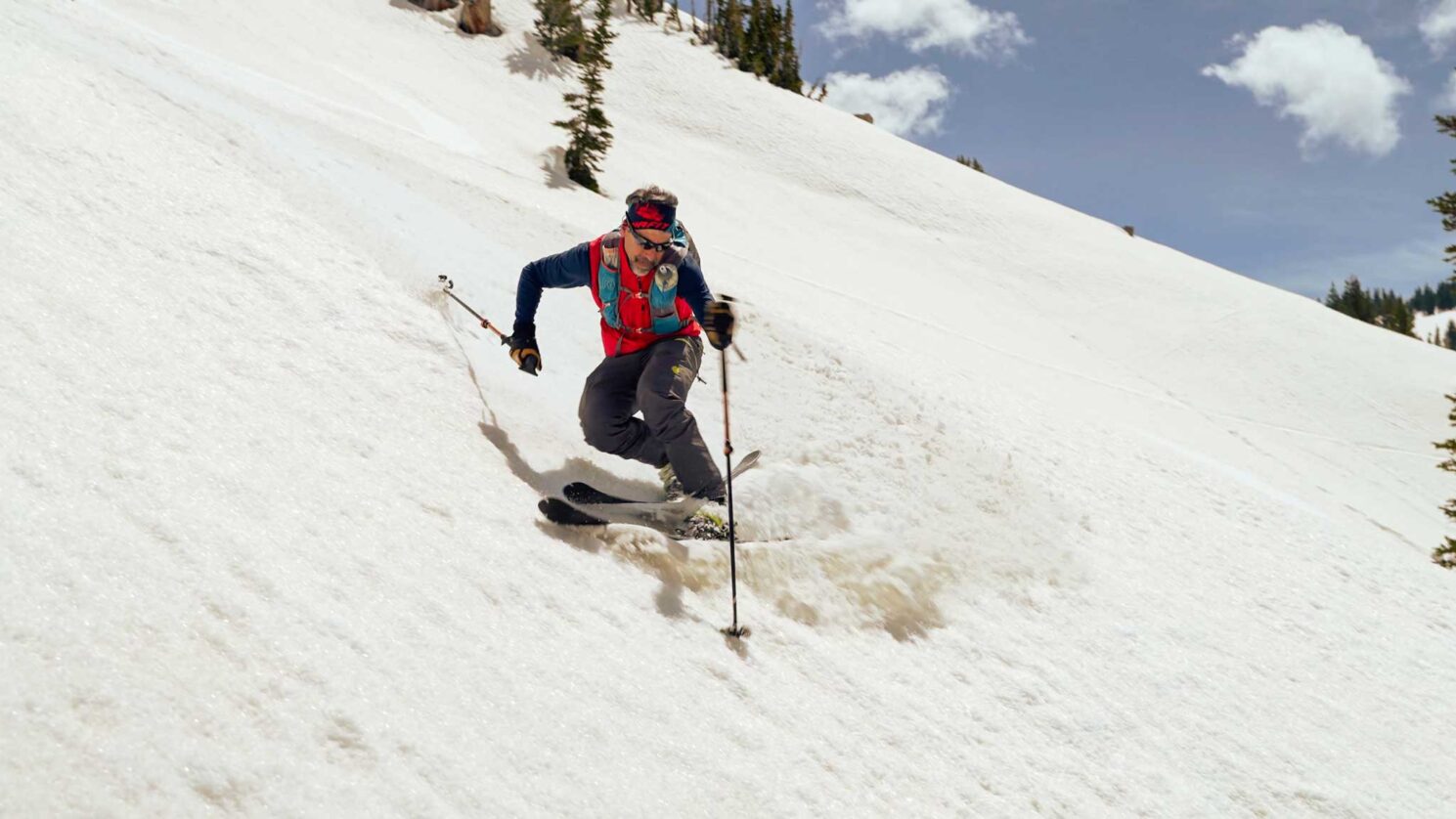
For many skiers, the appeal of telemark is not just the turn. It is the versatility of the system.
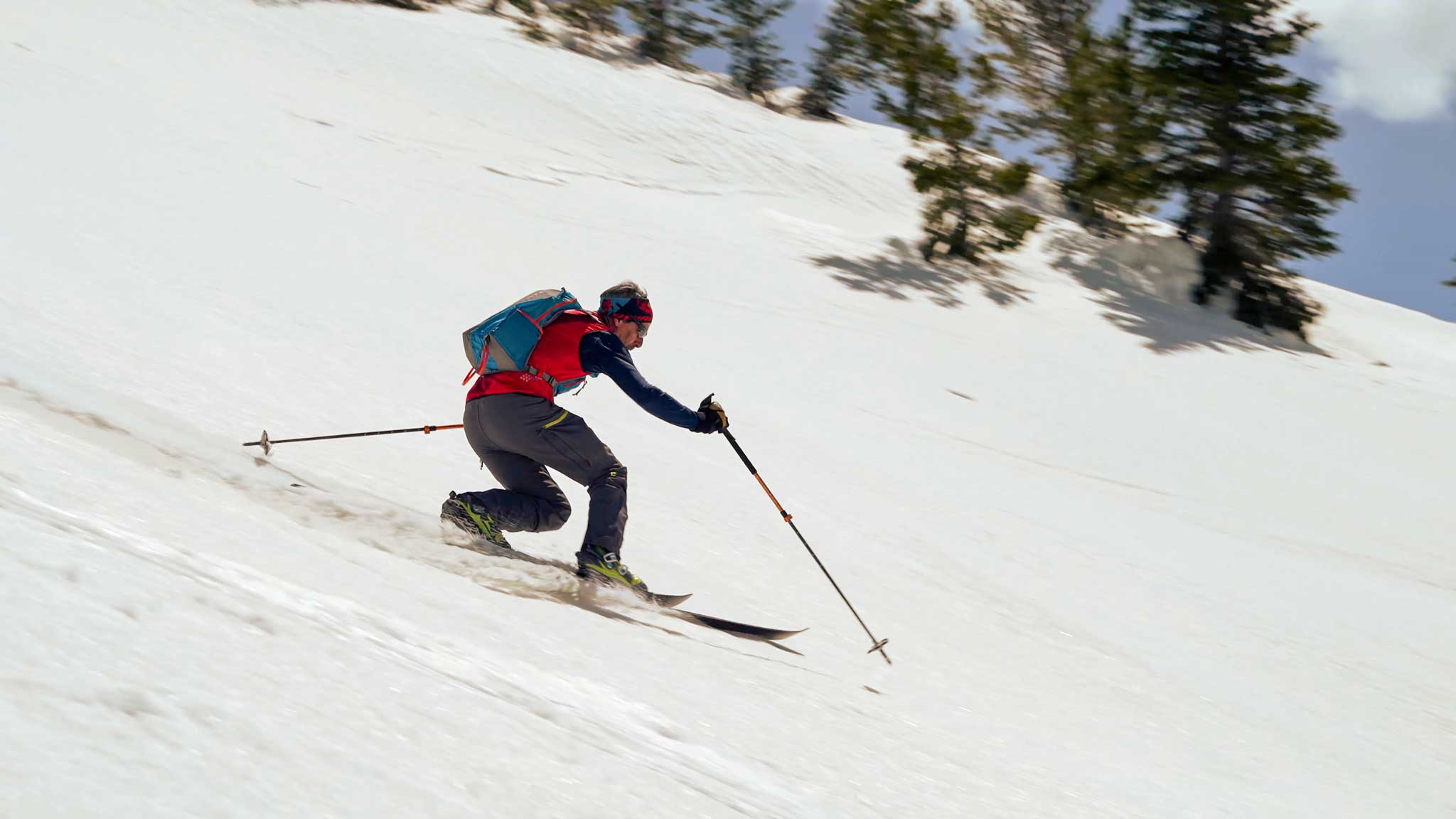
A free heel allows skiers to move efficiently across varied terrain during a tour. On flat sections you can kick and glide, much like a cross-country setup. On traverses you can shuffle smoothly across the slope.
Then when the terrain steepens, you can drop into telemark turns or ski parallel depending on the situation.
That freedom to move between techniques is what many skiers appreciate most about the telemark experience.
Bindings like the TTS Transit help extend that versatility even further by combining:
- Tech toe touring efficiency
- Adjustable telemark activity
- Customizable cartridge options
- Flexible transition strategies
The result is a setup that works equally well for long backcountry tours and lift-served skiing.
Learn more about the binding here:
Voile TTS Transit
FAQ
What is a TTS telemark binding?
A TTS (Telemark Tech System) binding combines a tech-pin touring toe with a telemark spring cartridge at the heel. The tech toe allows a free pivot for efficient uphill travel, while the spring system engages during the descent to provide the resistance needed for telemark turns.
How does a tech toe telemark binding work?
A tech toe telemark binding uses two metal pins in the toe piece that connect to inserts in the boot. This creates a pivot point directly at the toes, allowing the boot to rotate naturally while skinning uphill. During the descent, a spring cartridge system provides tension for telemark turns.
What makes the Voile TTS Transit different?
The Voile TTS Transit stands out because it includes a removable heel assembly, adjustable activity positions, and multiple cartridge options. These features allow skiers to tune how the binding feels while skiing and even remove parts of the system during long approaches to reduce weight.
Can you remove the heel assembly on a TTS Binding?
Yes. The heel assembly on the Voile TTS Transit can be removed entirely. Some skiers remove it for long, flat approaches to reduce weight on the skis. Others prefer leaving it attached for faster transitions when switching from touring mode to skiing mode.
What are “activity settings” on a telemark binding?
Activity settings determine how much spring tension you feel when lifting your heel in a telemark turn. A neutral setting provides a smoother, less resistant feel, while a more active setting increases spring tension and gives the binding a stronger, more powerful response.
What is the difference between standard and long-travel cartridges?
Standard cartridges offer a balanced range of motion suitable for most skiers. Long-travel cartridges use a longer spring that allows deeper compression during telemark turns. Use the TTS Transit Size Reference to make sure that the cartridge length will match your size of boot.
Are tech-toe telemark bindings good for backcountry touring?
Yes. Tech-toe telemark bindings are widely considered one of the most efficient telemark systems for touring. The toe pivot reduces resistance while skinning uphill, which saves energy during long climbs compared to traditional cable or 75mm telemark bindings.
Can you ski parallel turns with a telemark binding?
Yes. Telemark bindings allow both telemark and parallel turns. Many skiers switch between the two depending on terrain and conditions. The free-heel design also makes it easy to kick and glide across flat terrain during a backcountry tour.
What boots work with TTS bindings?
The TTS bindings works with NTN boots that include tech toe inserts, which allow the boot to connect to the pin-style toe piece. Modern telemark touring boots like the Scarpa TX Pro include these inserts to support tech-toe telemark binding systems.
Can you ski the TTS Transit at the resort?
Yes. Although the TTS Transit is built with touring efficiency in mind, it performs well at the resort. Adjustable activity settings and multiple cartridge options allow skiers to increase binding tension and dial in a more powerful feel for telemark turns on groomed or variable in-bounds terrain.
Share this Post