



Crampons for Telemark Boots: The Ultimate Guide
Share this Post
However difficult it is to dispel, there is a common misconception when it comes to crampons for telemark boots. Folks tend to think that an NTN boot will accept a crampon better than a 75mm boot. In my experience, this is largely and frustratingly false.
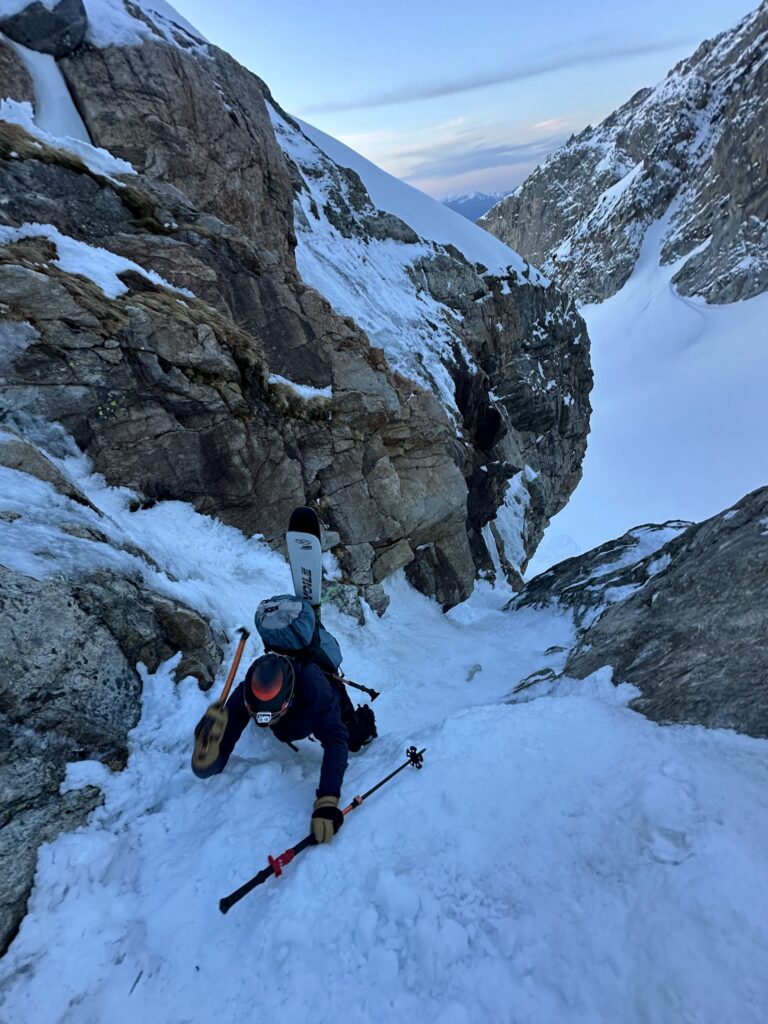
For a decade or longer, I used a pair of old Charlet Moser (now Petzl) carbon steel crampons that fit perfectly on my Duckbill T-Races. I used them all over the Intermountain West, including ski descents of the Ford/Stettner on the Grand Teton, and the Spooky Face of Nez Perce. Not only could I walk easily with them, but I could also comfortably climb WI3 for odd excursions that required ice climbing. I could swap out an aluminum heel piece to lighten the load, or go full aluminum with BD large toe bails on a variety of different crampons.
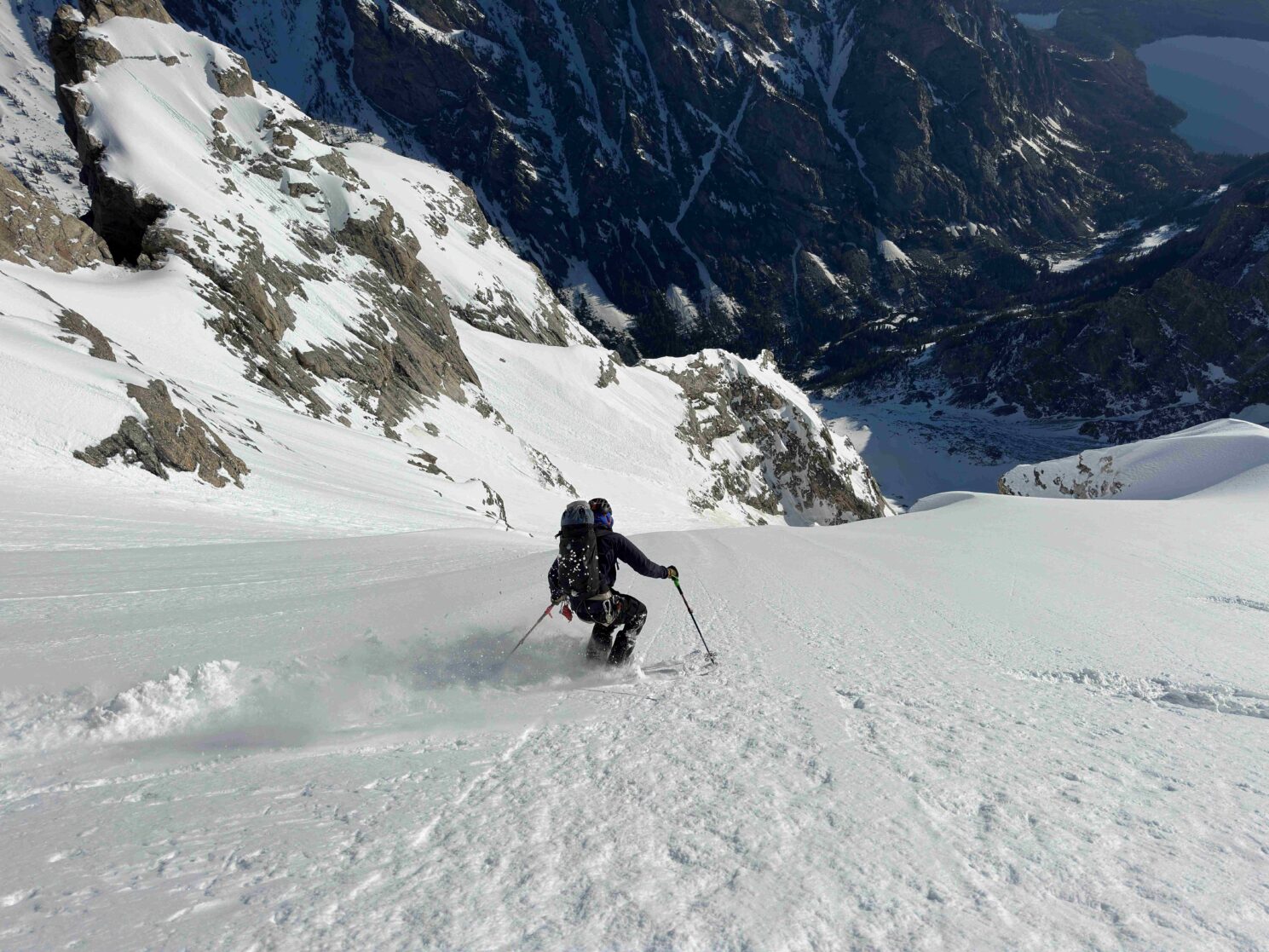
*Header photo shot by Adam Fabrikant
Hunting for a Solution
Enter the winter of 2017/2018, when I finally swapped over to NTN. I was extremely disappointed in my assumption that my crampon compatibility would be the same, if not easier. Much to my chagrin, the only dang thing that seemed to work on an NTN boot was semi-automatic crampons. The Toe of the NTN boot proves to be too wide for almost any toe wire manufactured, and the purpose-made Petzl toe wire seems to only work with duckbills.
After a long road of trial and error, I have four specific crampons for telemark boots that I would like to present as the crème de la crème of the diehard NTN skier. I also have a few tips and tricks to optimise your kit. With the quiver below, there is one consideration that we must all accept as telemark skiers: bellows are cool for walking and droppin’ knees, and they are bad for climbing frozen substrates. A stiffer sole is significantly better for climbing ice; AT boots definitely have the upper hand in most things cramponing.
With this acknowledgement, I’d like to start with a few questions you should ask yourself when starting your odyssey of crampon shopping for NTN boots.
Questions to Ask When Crampon Shopping
- How many sets of crampons for telemark boots can I reasonably own? Can I have a quiver of tools for different objectives? Or can I only have one set with interchangeable parts that pretty much does it all? Do I need them to fit other boots, such as a summer or winter mountaineering boot? Do I have an AT setup I sometimes use as well?
- What the heck will I be using them for? Do I need steel, aluminum, or a mullet system (‘business’(steel) in the front, ‘party’(aluminum) in the back)? Steel is much more durable than aluminum but also heavier. If you plan to climb nevé (frozen snow), full aluminum is perfect. If you plan to actually climb ice or spend time on glacier ice, steel is your friend. Generally, either a manufactured or homemade mullet system crampon will be burly enough for any ski objective you’re planning on skiing. Petzl, Camp, Blue Ice, and Black Diamond are big crampon manufacturers that have interchangeable parts for mullets, toe wire, or basket toe systems.
- What is my budget? Am I going to the used gear market and purchasing something for $35 in the basement of IME or the SLC ‘gear room’, or am I splurging on something new?
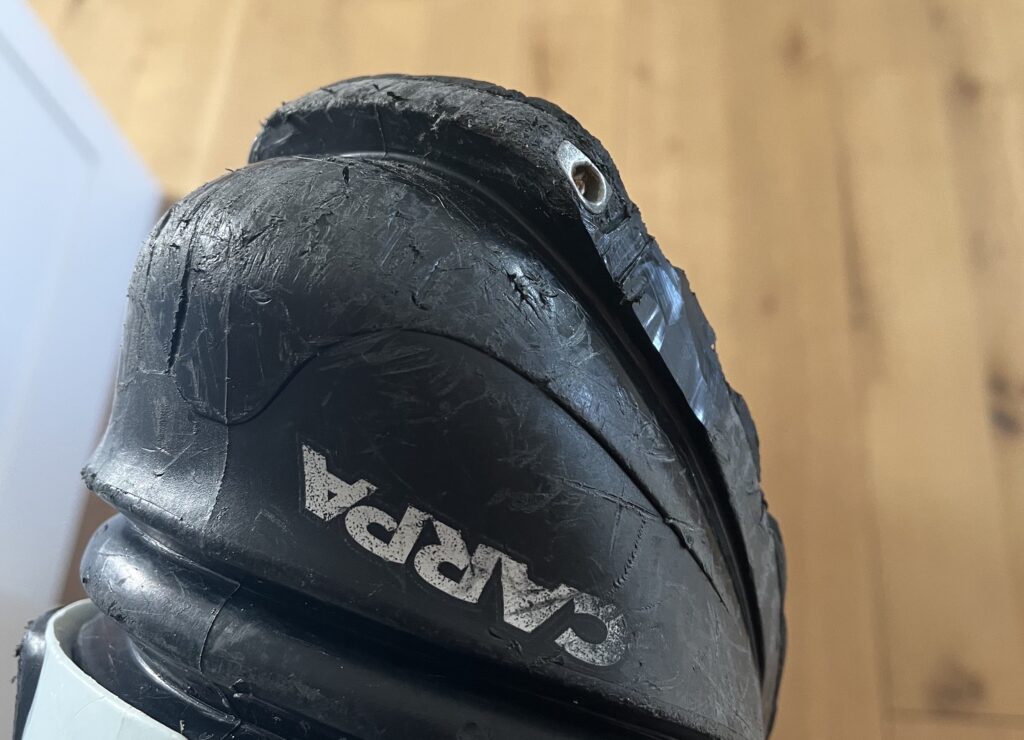
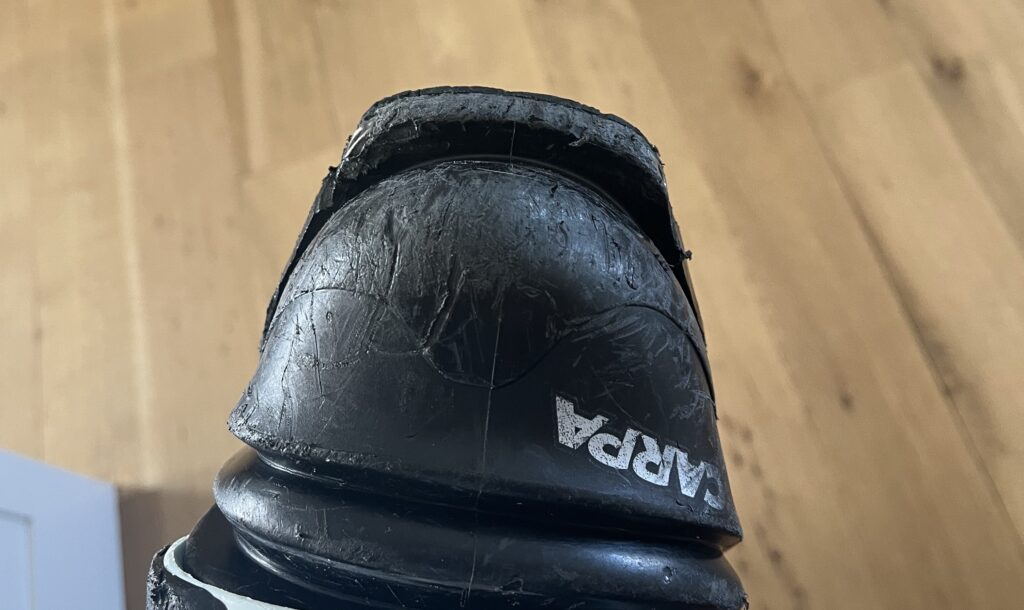
- Will the boots I am cramponing in be used for non-tech NTN bindings? (Outlaw/Bandit, Bishop, Rottefella Freeride) If your boots are only going to be used in a tech toe system (Lynx, Voilé TTS, Meidjo), you can remove plastic on the side of the boots with an X-Acto knife/file to fit standard toe wires that are intended for AT boots. If these are your only boots and you use them interchangeably with a variety of different bindings, including ones like outlaw/bandit, Bishop, Rottafella, DO NOT use this method. Regardless, you are likely voiding your warranty with your boots if you willingly take a knife to them to remove plastic.
I can tell you that as a working professional guide who also uses NTN boots for skiing, I have about 10 pairs of crampons in my possession with an enormous amount of weird accessories, toe wires, mismatched parts, and Frankenstein rigs. Hopefully, with all of this information, I will discuss an option that fits with your considerations and eliminates the need for more than one or two pairs.
Crampons for Telemark Boots
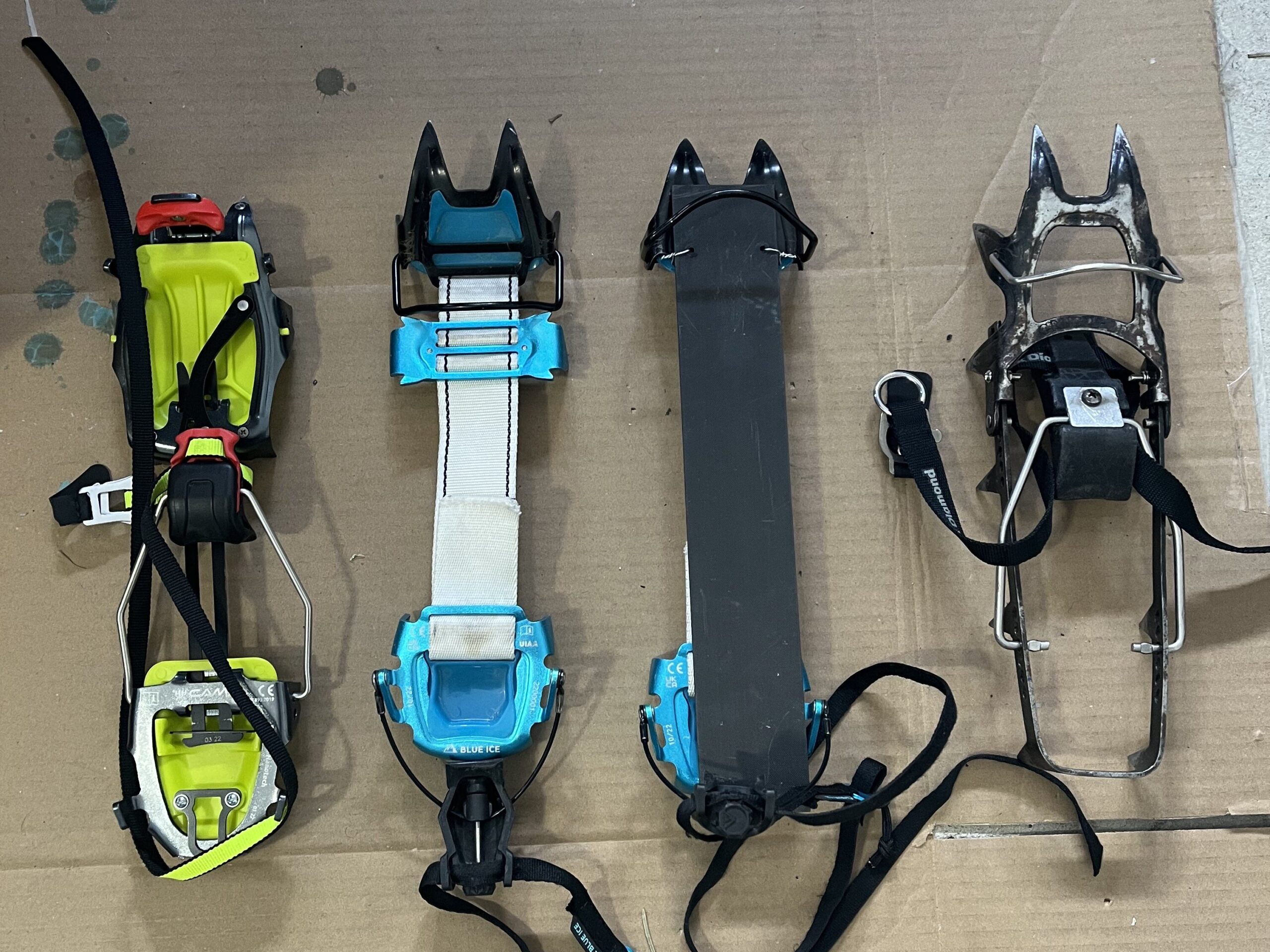
THE WORKHORSE: Any steel crampon with a semi-automatic toe basket. “One crampon to rule them all!”
Some crampons come with interchangeable parts (manufacturers like Blue Ice or Petzl) where you can swap out a toe basket for a toe wire. If you can throw down for something new, these interchangeable options are great choices.
If you are looking for the cheapest option available, the used market is full of carbon steel crampons with semi-automatic attachments. Some other considerations for going on the used market are “do they have anti-balling plates?” If they do not, and you are in a warm or spring snow climate, you can make some by cutting apart plastic milk jugs and zip ties. These crampons also work on a ¾ shank and full shank mountaineering boot alike.
Be considerate of the weight and the length of the adjustment bar, especially if you are purchasing used. When in doubt, bring your boots with you to go crampon shopping to ensure the spreader bar is long enough, etc.
PROS
– Easy to find on the used market
– Generally cheap
– Usually work with all your mountain boots except those without heel welts
CONS
– They are generally heavy
– Does not address Bellows flex
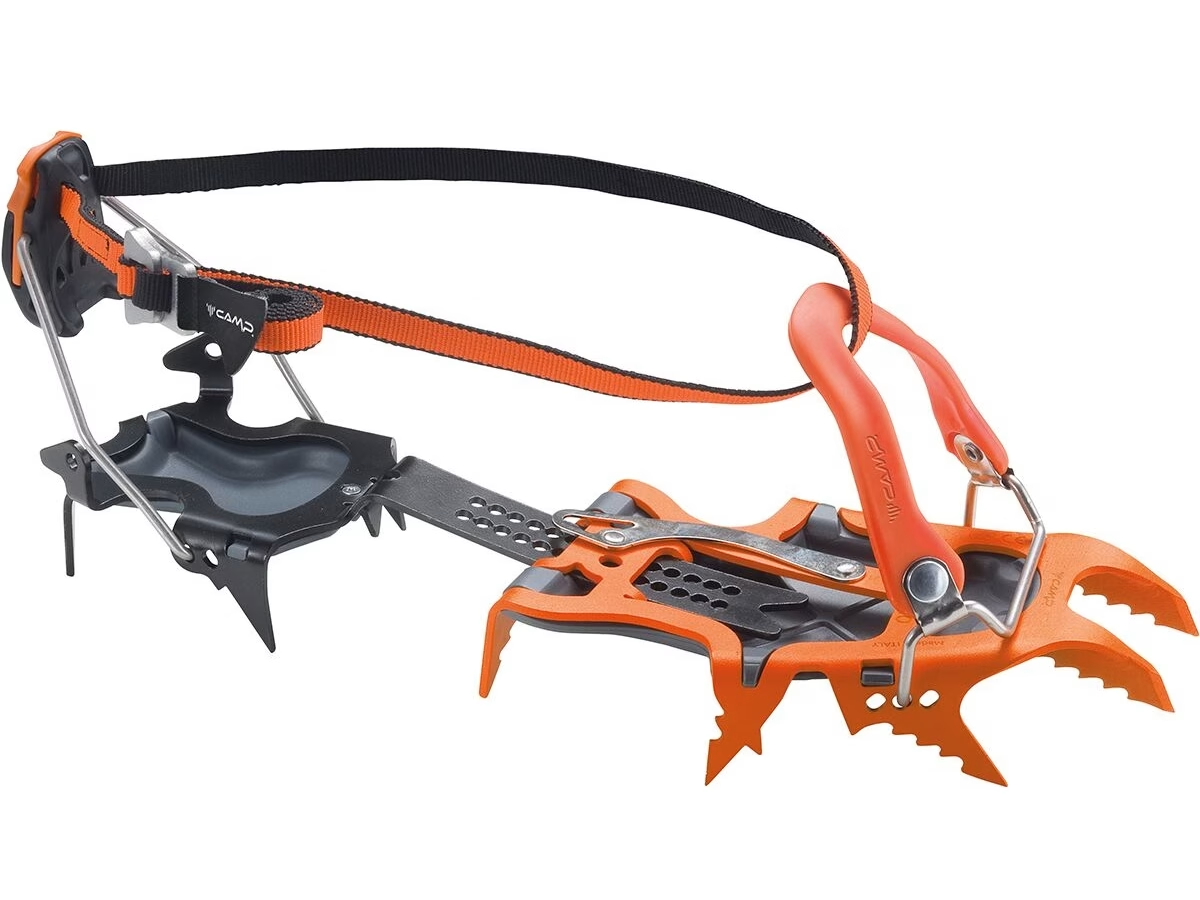
One Size Fits All – NTN Boots – Lightweight: CAMP Skimo Tour Crampons.
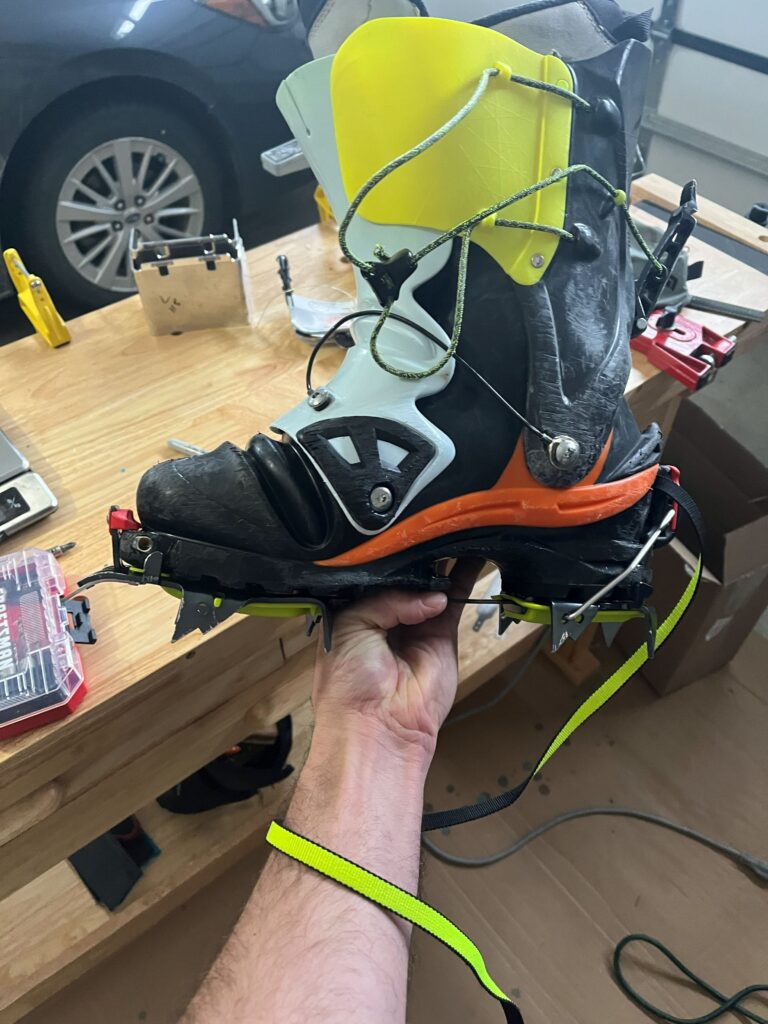
Do you simply need lightweight crampons for occasional nevé or light-duty ice? No modifications, no further questions needed? Are you willing to throw down for new? The Camp Skimo Tour Crampons are the ones for you.
PROS
– Special T-hook toe fits an NTN boot perfectly out of the box, no modification needed.
– Additional basket toe for use with ¾ shank mountaineering boots sold separately
– These weigh a modest 237g per foot, with an aluminum construction and special steel riveted front points for durability and performance on harder ice.
– Durable and light, with a design that works with 90% of the skiing objectives I find myself on.
– Works with most mountaineering boots.
– Dyneema linking bar sold separately saves 20g per foot for the extremely weight-conscious telemark dork.
CONS
– Maybe not enough steel on the crampon to ice climb in telemark boots? Hard to say, climbing skill dependent.
– Does not address the bellows flex problem
– They are expensive
One Size Fits All – NTN Boots – Heavyweight: CAMP Alpinist Crampons (and other Alpinist variants).
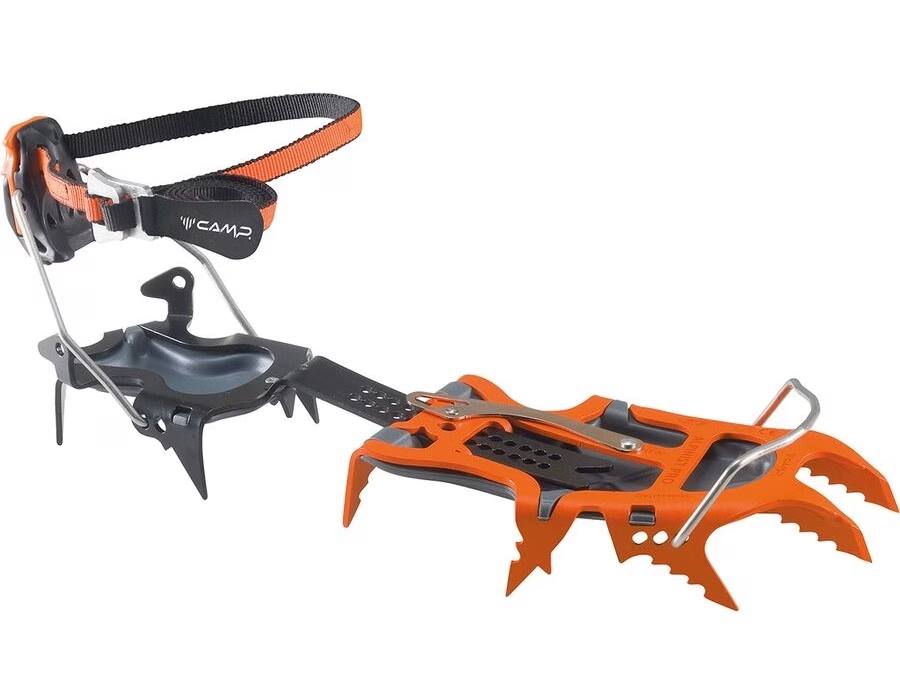
Heavy, stiff, flawless fit out of the box. These monsters weigh close to 500g per foot and check all the telemark boxes except the lightweight consideration. With a stock toe wire that fits over an NTN boot, three different positions for the toe wire, two for the heel throw, and micro-adjusting on the totally rigid linking bar, the CAMP Alpinist crampons could win an award as the best-ever-NTN-compatible crampons.
PROS
– Fully rigid design definitively addresses bellows flex issues for steep ice
– Micro adjustability all over makes these things fit like a glass slipper
– CAMP toe wire works with stock NTN boots, no modification needed.
– 12-point construction bites well in all frozen mediums
– Comes stock with a toe basket for summer ¾ shank boots
CONS
– Expensive ($219 retail)
– Heavy
– Appears to be discontinued at the moment. Maybe hard to find next year?
EXTREME TELEMARK MOUNTAINEER: Blue Ice Harfang with Carbon bar shank.
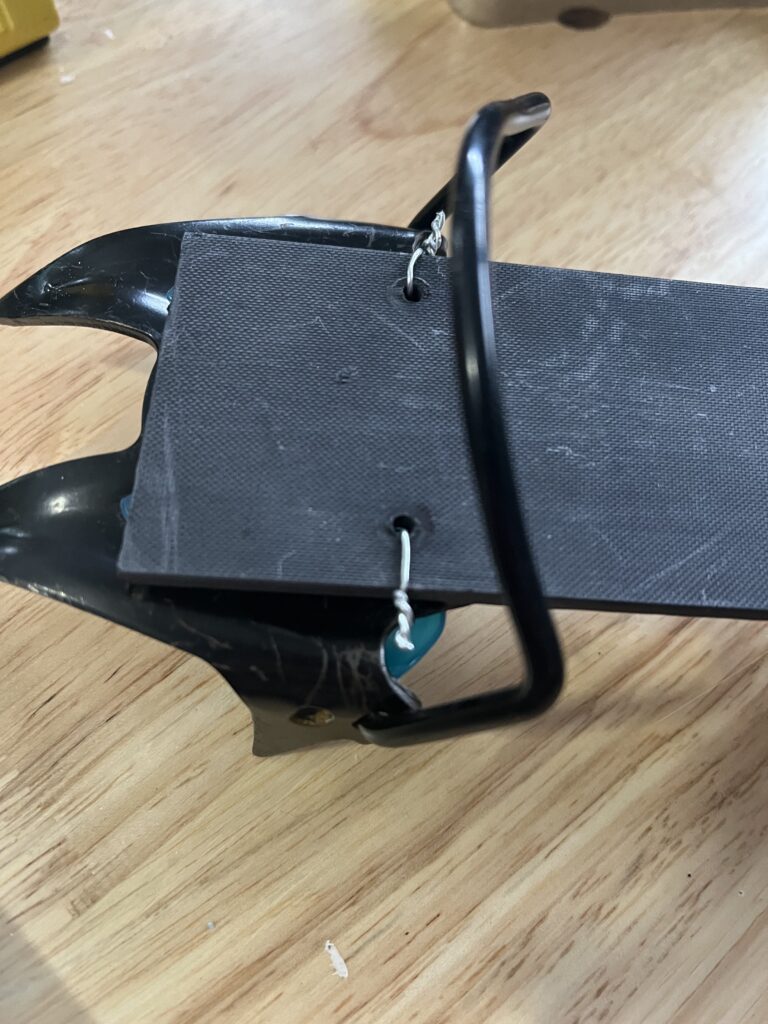
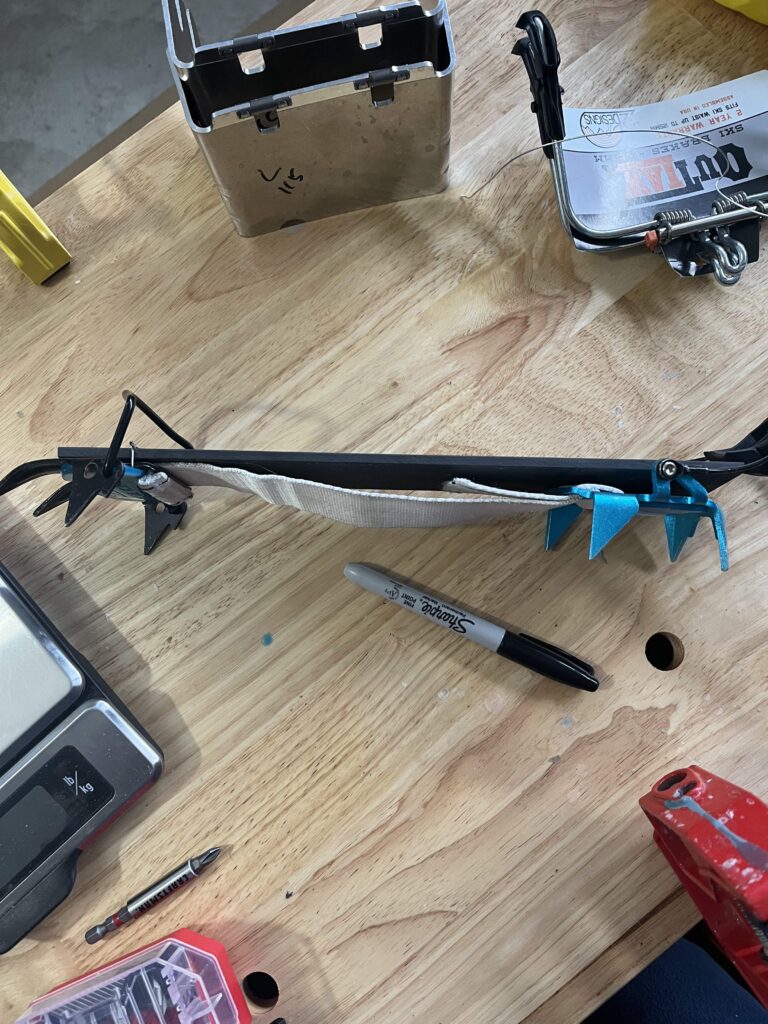
Do you want to be able to climb vertical ice like Will Gadd in flexy telemark boots, only to then telemark downhill like Dylan Crossman circa 2006? This is the wild invention I have been tinkering with that seems to balance weight and climbing performance. This design relies on a carbon fibre shank to address bellow flex. I bought a CARBONBAR 24x2x1/5 Inch Carbon Fiber Board off Amazon for $34.00, cut it in half for a Scarpa 27 size boot, and then attached it to the front of the Blue Ice Harfang crampon with baling wire. I furthermore removed the mid-foot spikes to make it slightly lighter.
This option also requires cutting plastic on the toe of the telemark boot to accept a Blue Ice toe wire. It also requires further tinkering to secure the carbon shank to defeat bellows flex and then swapping out a different heel throw strap that doesn’t slip (I used a camp one here, but the stock Blue Ice one slips too much for the traditional TX Pro heel shape).
PROS
– Weighs 314g per foot, which is pretty light.
– Climbs actual water ice well; addresses bellows flex problem.
– Factory mullet design balancing climbing performance with weight consideration. Steel in the front, aluminum in the back.
– Highly modular with different configurations available.
CONS
– Requires serious tinkering, removing plastic on boots, making them a tech telemark compatible only and voiding your boot warranty. Also cutting a carbon bar with a hacksaw, drilling holes, and affixing with baling wire.
– Not very packable with a weirdly long profile.
– Expensive
*Special note: Without all these special modifications I made, you can use this crampon with two different toe attachments that come with the crampon, accommodating an uncut NTN boot and/or many different mountaineering boots. Overall, really versatile crampon.
BUDGET TELEMARK ICE CLIMBER: Some iteration of fully rigid crampons.
Do you want to ice climb with confidence in your telemark boots but don’t have the bandwidth to tinker all afternoon with mixed results? Buy some old stock fully rigid crampons to defeat bellows flex and add a basket toe from some current manufacturer (or AT toe wire and cut the boot plastic!)
PROS
– Defeats bellow flex simply without too much tinkering.
– Relatively cheap.
– Confidence-inspiring in hard, frozen substrates (water ice).
CONS
– Could be hard to find on the used market.
– Heavy! The pictured Grivel options weigh a whopping 436g per foot, and that is without any anti-balling plates.
– May require removing plastic on boot unless you find/buy a semi-auto toe.
Finding Crampons for Telemark Boots
With all crampons, do everything you can to fit-test them in a safe environment to ensure they don’t fall off your boots. Since camp toe wires seem to accommodate NTN boots so well, I have experimented with buying them individually to simply put on other crampons. I have had mixed success and generally don’t trust them on non-CAMP manufactured products. The small gauge wire they are made from has issues with slipping out of the toe wire holes from other crampons, which is made worse by the fact that they are wider than most other toe wires. Putting crampons on an NTN boot is still not a consideration for most crampon manufacturers, so caution is advised.
Let me know your NTN crampon hacks in the comments, and we can solve this problem as a community.
About The Author

Ty Guarino
Location: Bozeman, MT
Skis: V8 186cm / Charger Ace 178cm
Website: www.TelemarkTy.com
Instagram: @ty.guarino
Ty is a career Mountain Guide and Ski Patroller currently working for Exum Mountain Guides, Beartooth Mountain Guides, Montana Mountaineering Association and Bridger Bowl Ski Patrol. He is the only active American IFMGA Mountain Guide working solely on Telemark gear. Originally from southern New Hampshire, Ty developed his passion for Backcountry skiing on the eastern flanks of Mt Washington in New Hampshire’s Presidential range. Currently Residing in Bozeman Montana, Ty skis as much as possible in and around the greater Yellowstone ecosystem. Although Bridger Bowl is his home mountain, Ty likes to explore other skiing venues including Alaska, South America, New Zealand, and New England.
Share this Post