




ACE Ski Construction Breakdown
Share this Post
At a glance, our ACE series skis might seem familiar to our other models. And that’s a fair assumption! The shapes, widths, turning radii, and camber profiles you know from our Hyper and Classic series are all still here. What’s different is how the ski is built, and more importantly, why it’s built that way.
ACE ski construction represents our next step in ski building. It’s a hybrid ski construction approach that adds strength, stability, and binding security where it matters most, without sacrificing the lightweight efficiency that defines Voile skis. Below, we break down exactly what ACE ski construction is, how it works, and where it fits into the Voile lineup.
Watch: ACE Ski Construction Explained
This video features Adam Morrey from our production and development team walking through ACE ski construction in detail, straight from the factory floor. The sections below expand on what’s shown in the video and highlight the key takeaways.
ACE Skis are All About The Construction
One of the most important things to understand about ACE skis is that shapes and dimensions haven’t changed. Take the Charger ACE as an example. It has the same dimensions, shape, and camber profile as the Hypercharger or Supercharger.
What differentiates the Charger ACE and all other ACE skis is the construction platform. The ski feels more planted, more damp, and more supportive underfoot because the structure underneath it did. All while weighing less than a classic, and skiing better than a hyper. ACE construction also allows for the mounting of telemark bindings on a purpose-built lightweight backcountry ski. Now, let’s dive into the 3 key differences in the ACE construction that make it stand out against the rest.
Hybrid Sidewall Construction
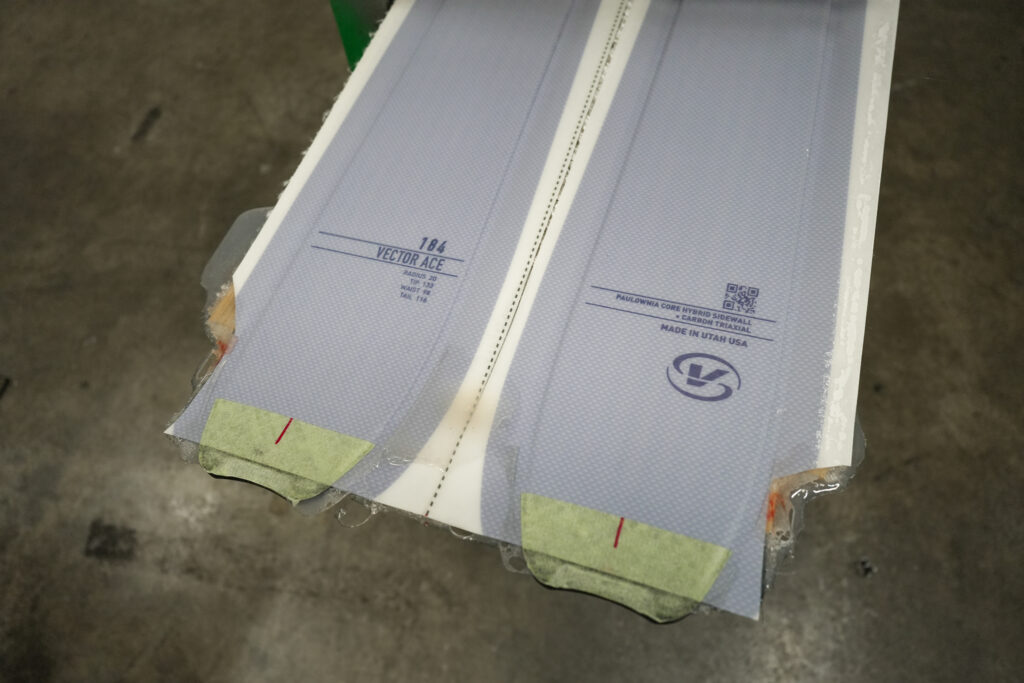
The most visible difference on an ACE ski is the hybrid sidewall design. The lower half of the ski uses a poured TPU sidewall, while the upper half maintains Voile’s traditional cap construction. This approach delivers a best-of-both-worlds result. You get the added vibration damping and downhill stability throughout the ski while maintaining rigidity and low swing weight due to the capped topsheet, tip, and tail. Want to learn which type of sidewall is right for you? Check out our blog post here, where we break down cap, hybrid, and standard sidewall construction.
The Maple Mount Patch (And Why It’s Called ACE)
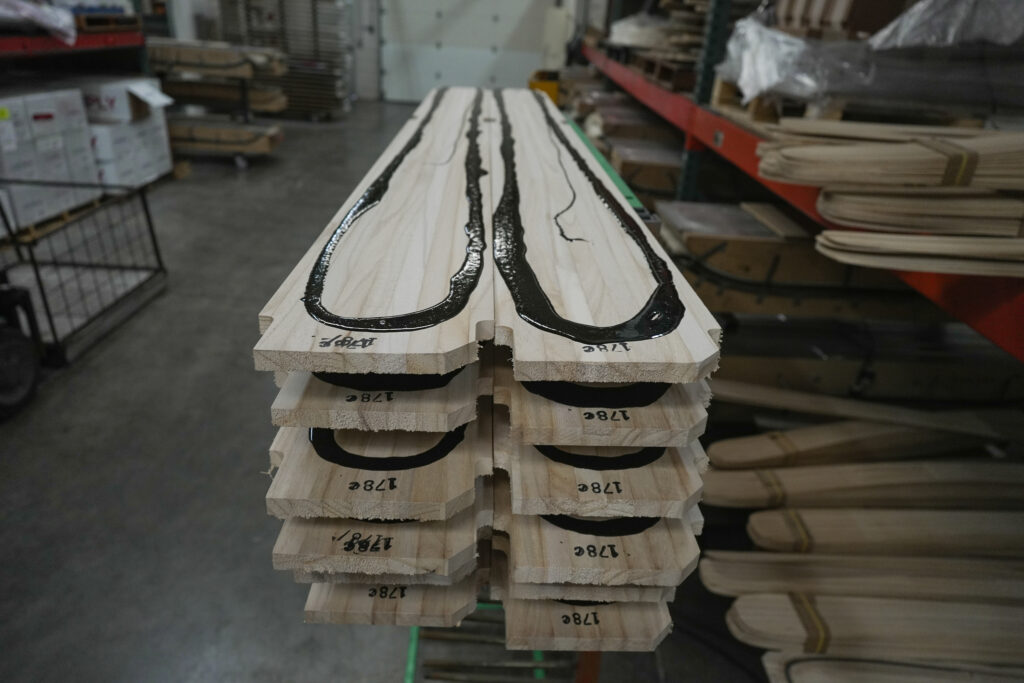
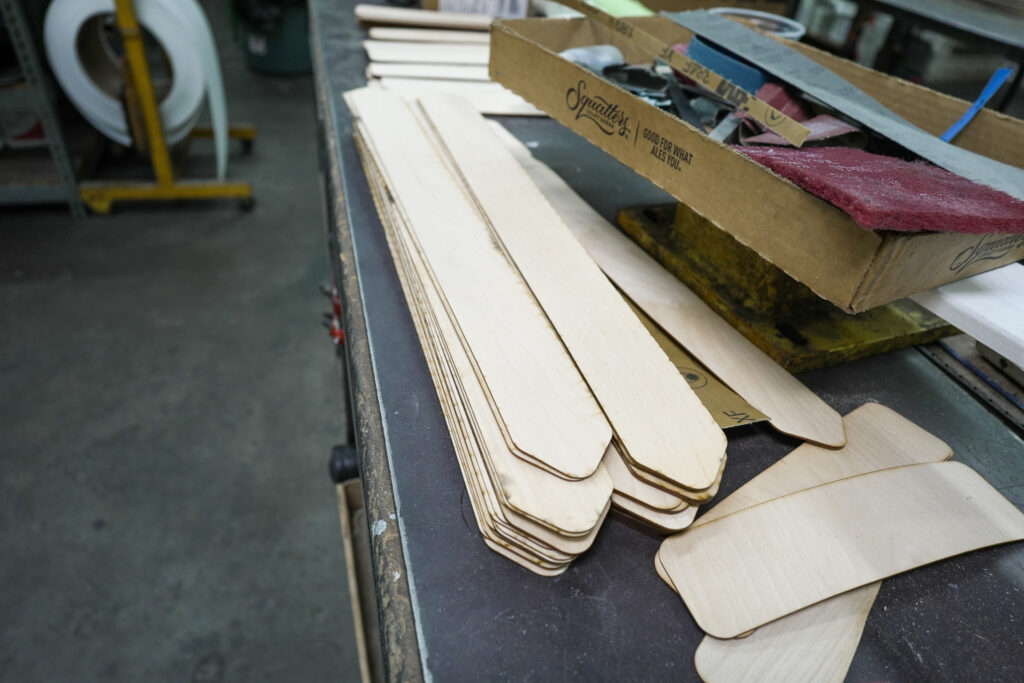
ACE skis use our most robust mounting platform to date, and it all starts with the maple mount patch. Maple is significantly denser than lightweight paulownia (which makes up the entirety of the ski core). That density translates to improved screw retention, increased stiffness underfoot, and better long-term durability.
We developed a layered composite system, or, as we like to call it, a “composite lasagna”, that places maple exactly where it’s needed. The construction starts with a layer of chop strand and epoxy, followed by maple veneer, then repeats that sequence to build strength.
It not only builds strength, but it also keeps the weight in check. And more than anything, it allows telemark skiers to mount their bindings to a lightweight touring-specific ski. It’s the strongest mounting platform Voile has ever produced in a backcountry ski, with minimal weight penalty… And the name? The genus of a maple tree is Acer, which inspired the “ACE” series name.
Top-Tier Tail Protectors
ACE skis feature a molded tail protector designed for real backcountry use. Yes, it protects the tail from impacts, but it also creates a more secure interface for climbing skin tail clips, reducing the chance of them slipping off on the skin track.
The tail protectors are injection molded from ABS, then CNC-milled to match each ski model and size. The result is a clean, seamless transition from tail protector to sidewall, with no awkward steps or gaps. It’s a small detail, but one that pays off every day you’re touring.
On-Snow Performance
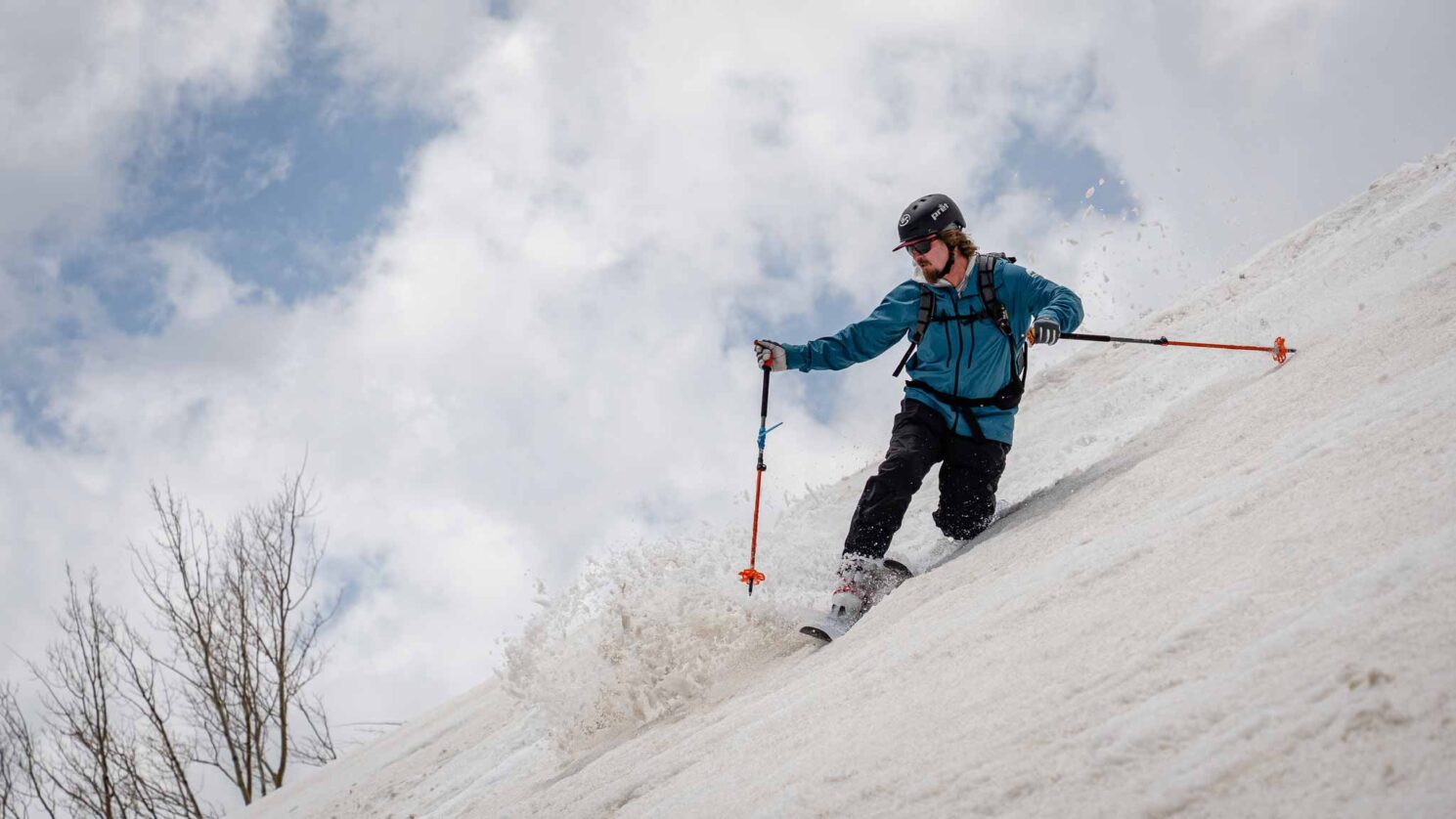
The ACE series adds binding security, damping, and stability to a lightweight touring ski without making it feel heavy or overbuilt. The result is a ski that feels more planted underfoot, handles vibration and variable snow with confidence, and still tours efficiently.
Compared to the Hyper Series, ACE skis are slightly heavier but offer noticeably more support and damping on the descent. Compared to the Classic Series, they’re a bit lighter, with a more premium construction and price point to match, built for skiers who care about performance across the entire day, not just the downhill.
How ACE Ski Construction Fits in the Voile Lineup
The ACE series isn’t here to replace our cap-construction skis. It’s here for skiers who like the way Voile skis feel, but want more support underfoot, the ability to put tele bindings on purpose-built lightweight touring ski, and a calmer ride when the snow isn’t cooperating. And now, you can ride the ACE platform on the Charger, Vector, and Manti shapes.
If you want to dig deeper into ACE skis or figure out which construction fits your touring style best, stop by the shop, give us a call, or reach out anytime.
Share this Post